


With the continuous development of the dual-system mini locator market,many manufacturers have introduced different implementation solutions based on varying needs and market conditions.The following are three common dual-system mini locator solutions available on the market.
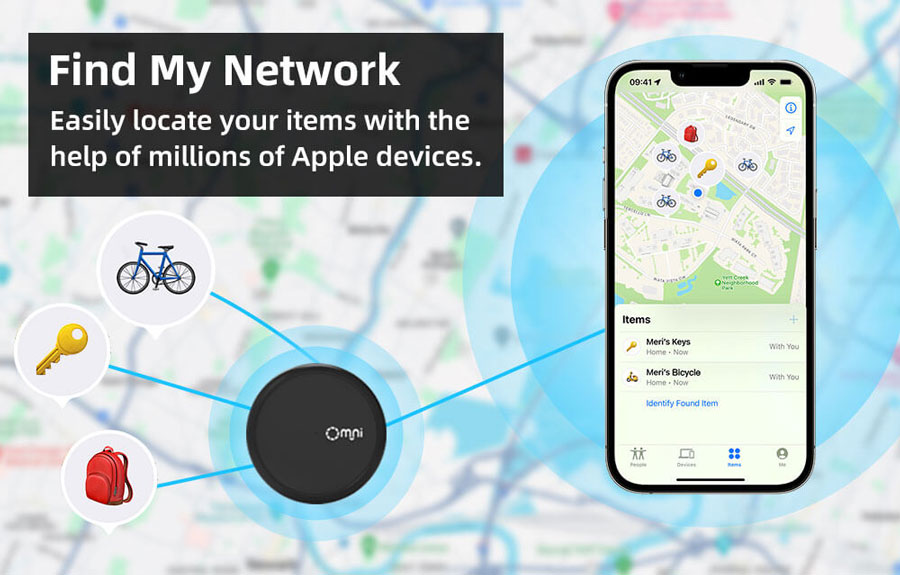
1.Dual-System Dynamic Binding
Mini locators using this solution typically feature a single built-in chip and are certified by both Apple MFi and Google Find My Device.However,they can only be bound to one system at a time.For example,when a user initially binds the mini locator to an iPhone,they can use it via the Apple Find My network.If they need to use it on an Android device,they must first unbind it and then rebind it to Google Find My Device.The advantage of this solution lies in its simpler technical implementation and relatively clear structure,but the drawback is the inability to support both systems simultaneously,requiring users to manually switch bindings.
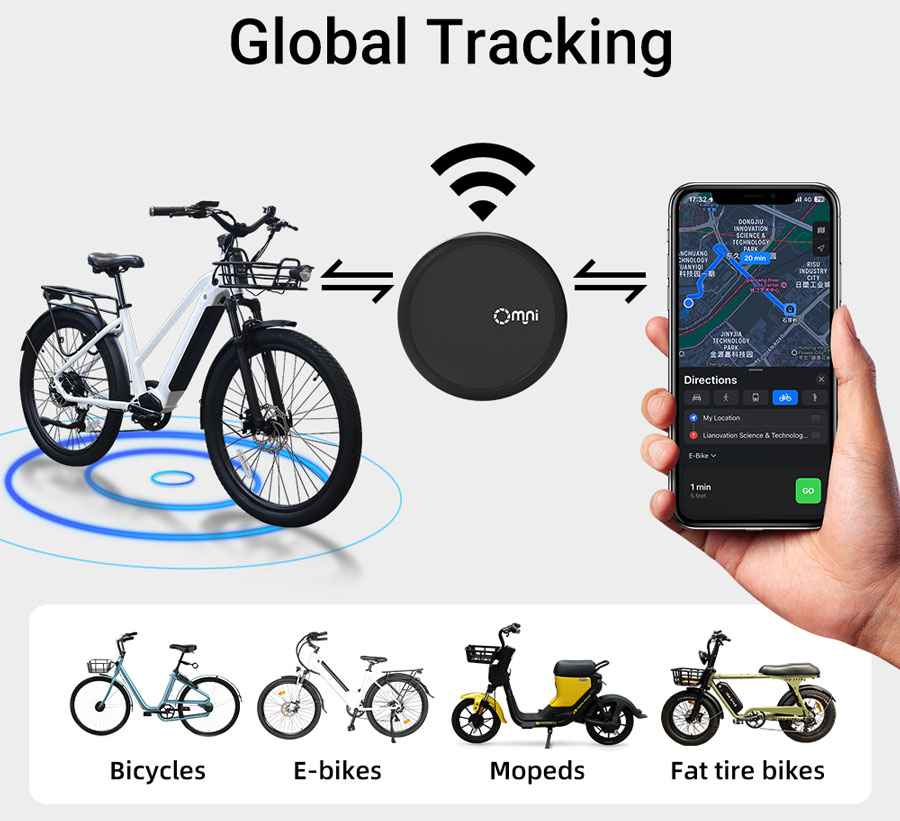
2.Self-Built Location Tracker APP Platform
The self-built location tracker app platform solution does not rely on Apple or Google's Find My networks.Instead,it achieves Bluetooth location tracking through a manufacturer-built cloud system and a cross-platform location tracker app.This type of solution breaks through the limitations of official protocols,enabling cross-system tracking functionality.However,its downside is that the experience is limited by the manufacturer's location tracker app ecosystem.If the user's location tracker app ecosystem is underdeveloped,the positioning functionality may be relatively weak.
3.Hybrid Solution
The hybrid solution combines the advantages of the Apple Find My network and the manufacturer's proprietary location tracker app.On iOS,users can directly use the Apple Find My network for positioning,while on Android,users rely on the manufacturer's proprietary location tracker app for basic Bluetooth location tracking.The greatest advantage of this solution is its compatibility with both platforms,but the Android experience is often less convenient than the iOS side,with certain functional limitations.
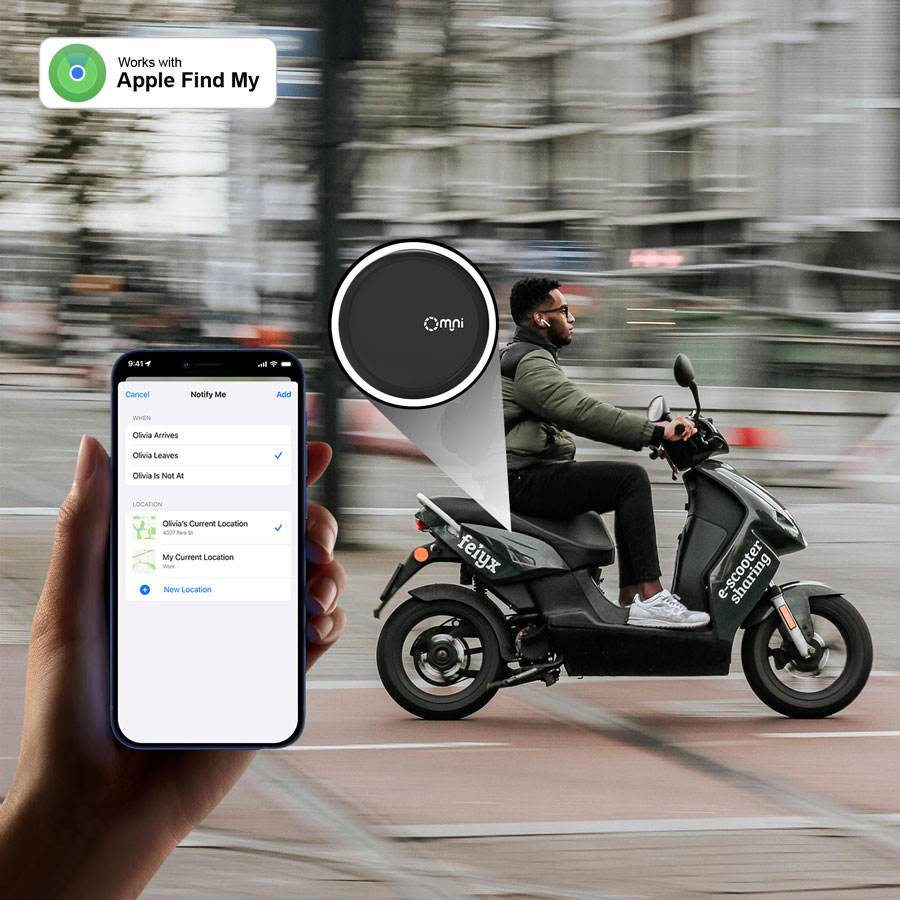
Usage Limitations of Dual-System Mini Locators:Network,System Requirements,and Binding Restrictions
Although dual-system mini locators theoretically achieve cross-platform compatibility,they still face various technical and environmental limitations in practical use.Particularly on the Android side,due to specific technical requirements and network environments,the actual user experience of mini locators may be significantly compromised.
1.Network Environment Limitations
Google Find My Device relies on Google servers.Therefore,in specific regions where an international network environment is required,the activation,location tracking,and data synchronization of mini locators may be restricted if such a network environment is unavailable.This poses a significant obstacle for users who wish to use them normally in these areas.
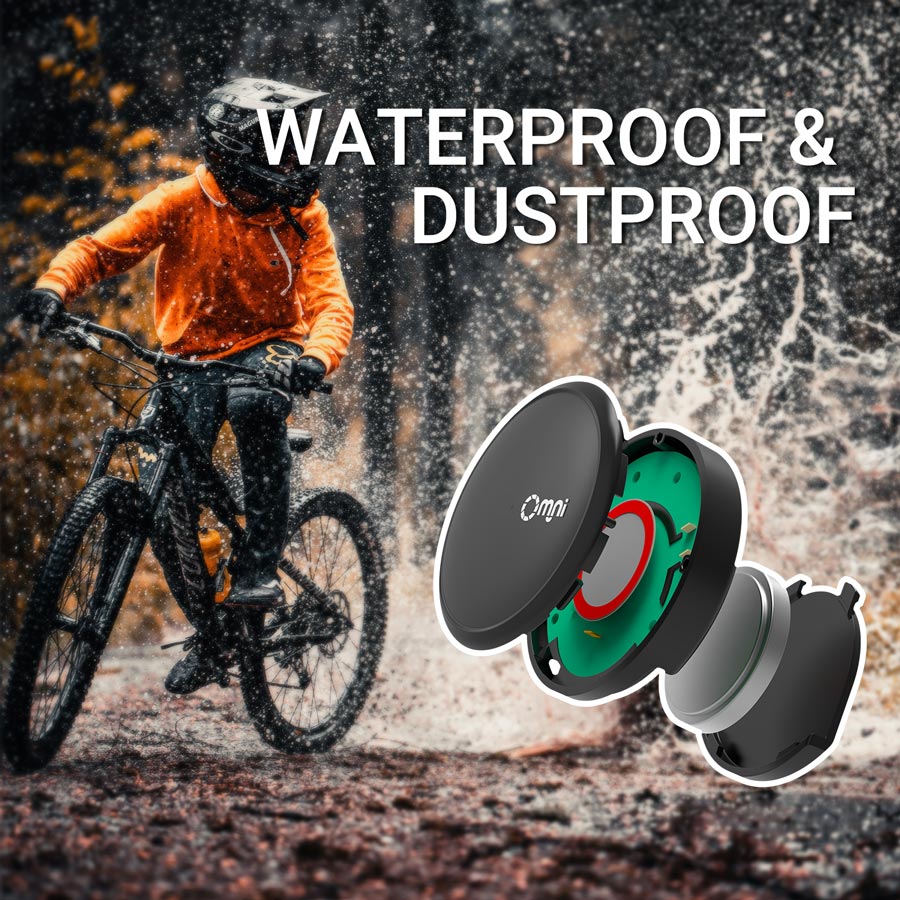
2.Device System and Version Requirements
On Android devices,dual-system mini locators require Android 9.0 or higher and must support the Google Play Services framework(GMS).However,for devices from certain brands,Google's Find My functionality may not be achievable as these devices often lack the underlying framework support.
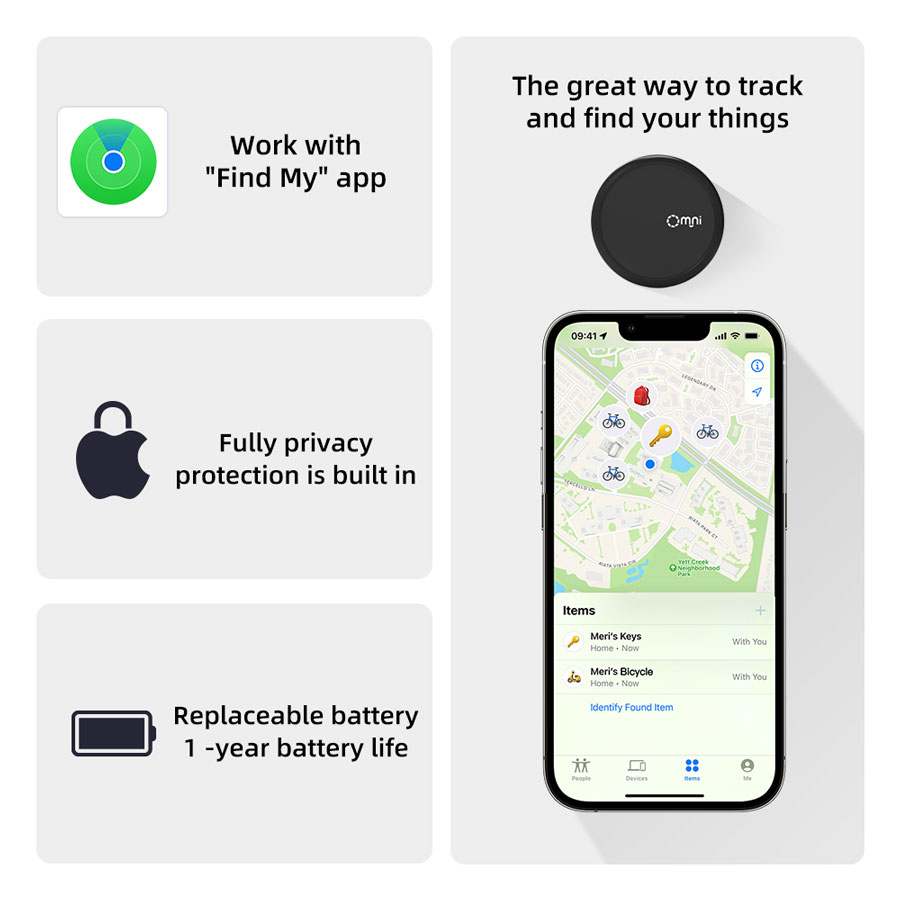
For iOS devices,the requirements are iOS 15 or higher,and users must have a device with an iCloud account.These are prerequisites for the normal operation of dual-system mini locators.
3.Binding and Account Limitations
Due to the incompatibility between Apple and Google's ecosystems,users can only bind the device using their respective accounts on iOS and Android devices.The binding process for each system is independent and cannot be shared across systems.This requires users to unbind and rebind the device when switching systems,increasing operational complexity.